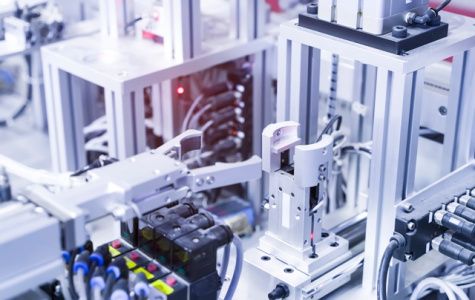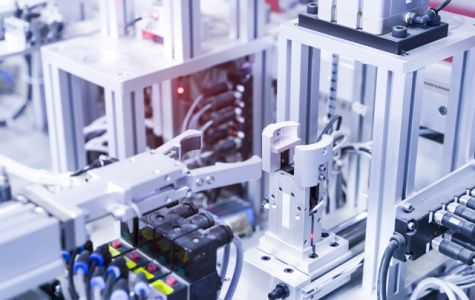
Automation of production processes involves the implementation of technologies and systems that reduce or eliminate manual intervention in industrial operations. The goal is to increase efficiency, accuracy, and productivity, while ensuring consistent quality and safe working conditions.
Automation services are delivered by specialized engineers and integrate mechanics, electronics, and software into reliable, high-performance systems.
Objectives and Benefits of Automation
Automation is a key driver of modern industrial competitiveness.
Main Objectives
-
Increase production capacity and throughput
-
Reduce errors and improve product quality
-
Minimize operational costs and resource consumption
-
Eliminate repetitive and hazardous manual tasks
-
Improve process stability and reliability
Business Benefits
-
Faster and more efficient production processes
-
Better utilization of materials and energy
-
Reduced waste and downtime
-
Enhanced workplace safety
-
Greater flexibility in responding to market demands
Core Automation Solutions
Modern automation systems combine multiple technologies to optimize production.
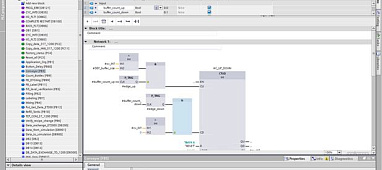
PLC Programming
-
Development of control programs for machines and systems
-
Real-time monitoring and process control
-
Adaptation and optimization of existing automation systems
Robotics Integration
-
Automation of repetitive tasks (assembly, packaging, inspection)
-
Increased speed, precision, and consistency
-
Improved safety in hazardous environments
Monitoring and Control Systems
-
Continuous supervision of production processes
-
Data acquisition and visualization
-
Early detection of faults and deviations
Industry 4.0 Solutions
-
Integration of connected and intelligent systems
-
Use of data for process optimization
-
Digitalization of production environments
Levels of Automation
Automation can be implemented at different levels depending on production requirements.
Partial Automation
-
Automation of selected processes or machines
-
Support of manual operations
-
Focus on complex or critical tasks
Integrated (Complex) Automation
-
Automation of entire production sections or lines
-
Coordination of multiple machines and processes
-
Centralized control and monitoring
Full Automation
-
Complete automation of all production stages
-
Minimal human intervention
-
Suitable for stable processes or hazardous environments
Key Elements of Production Automation
Advanced automation systems are built from a combination of technologies.
Core Components
- Industrial robots – for precise and repeatable operations
- Quality control systems – automated inspection and verification
- CAD/CAM systems – support for product development and manufacturing
- Robotic technological complexes (RTK) – integration and communication between systems
- Automated warehouse systems – inventory management and material flow control
- Flexible manufacturing systems – adaptable production and tool change capabilities
Implementation of Automation
Introducing automation requires a structured and strategic approach.
Implementation Steps
-
Analysis of existing processes and requirements
-
Definition of automation goals and scope
-
Selection of appropriate technologies
-
System integration and testing
-
Continuous optimization and improvement
A well-planned implementation ensures maximum return on investment and long-term performance.
Areas of Application
Automation is widely used across various industries and functions.
Typical Applications
-
Manufacturing and production systems
-
Logistics and warehouse operations
-
Mechanical and plant engineering
-
Medical technology and high-tech industries
-
Project planning, engineering, and management processes
Automation not only improves production but also enhances planning, training, and operational support systems.
Future of Automation
Automation continues to evolve with technological advancements.
Key Trends
-
Increasing digitalization and connectivity
-
Use of artificial intelligence and data analytics
-
Greater flexibility and adaptability of systems
-
Closer integration between humans and machines
These developments are driving the next generation of intelligent production systems.
Conclusion
Automation of production processes is essential for modern industry. By leveraging advanced technologies and engineering expertise, companies can increase productivity, reduce costs, and achieve sustainable operational excellence.